King Salman Gateway: Mecca 2030 Vision – From Spiritual Service to Global Economic Catalyst
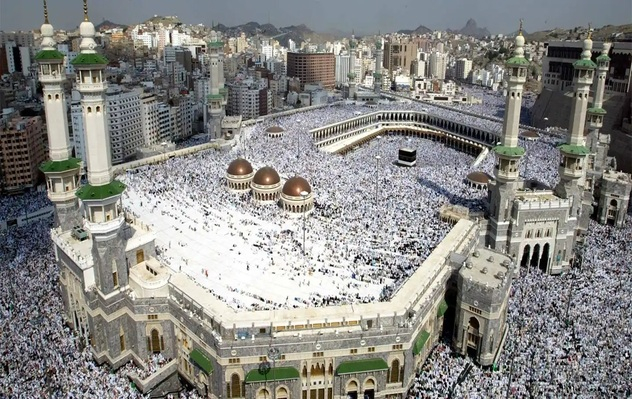
Saudi Arabia has unveiled a landmark development project, King Salman Gateway, in Mecca. Situated alongside the Grand Mosque, the project is far more than an urban expansion; it is a fully integrated, multi-purpose destination designed to transform the experience of millions of pilgrims and Umrah visitors every year.
Strategic Alignment with Vision 2030
The project’s significance lies in its direct alignment with Saudi Vision 2030, particularly the Guests of the Two Holy Mosques Service Program, which aims to position the Kingdom as the spiritual and cultural heart of the Islamic world through three main pillars:
-
Expanding pilgrim capacity: The plan aims to host 30 million pilgrims by 2030, doubling the 15 million reached by 2025.
-
Delivering world-class services: Enhancing infrastructure and operational excellence to meet the highest global standards.
-
Enriching the spiritual and cultural journey: Transforming pilgrimage into a fully immersive religious and cultural experience.
The King Salman Gateway directly embodies these goals:
-
Capacity expansion: Additional prayer areas will accommodate up to 900,000 worshippers across indoor halls and outdoor courtyards, easing congestion at the Grand Mosque during peak seasons.
-
Integrated infrastructure: Spanning 12 million square meters, the development includes premium residential, cultural, and service facilities, seamlessly connected to public transportation for easy access to the mosque.
-
Cultural preservation: Over 19,000 square meters of heritage and cultural spaces will be restored and revitalized to enhance the historical and spiritual experience for visitors.
Economic and Developmental Impact
Beyond service and spiritual significance, the project represents a key economic engine in line with Vision 2030’s economic diversification strategy:
-
Job creation: Expected to generate over 300,000 jobs by 2036, fostering local human capital development.
-
Boosting non-oil revenues: Hajj and Umrah revenues reached $12 billion in 2019. With 30 million pilgrims, annual sector revenues are projected to exceed SAR 50 billion, predominantly benefiting the private sector and supporting non-oil GDP growth.
-
Global development benchmark: Managed by Rwaq Al-Haram Al-Makki, a subsidiary of the Public Investment Fund (PIF), the project applies the highest global standards of sustainability and governance, transforming Mecca into a world-class model for integrated urban development that harmonizes architectural heritage with modern luxury living.
Alongside complementary initiatives like the Masar Project, which adds more than 40,000 hotel rooms, King Salman Gateway underscores Saudi Arabia’s strategic investment in creating a seamless, enriching pilgrimage experience while elevating the Hajj and Umrah sector into a globally competitive investment and service hub, fueling the sustainable prosperity envisioned in Vision 2030.